What to ask a Storage Facility about Pests
Pests and Rodents in Self Storage: What to Look For
Before choosing a self-storage facility, it is worth checking how seriously the operator deals with cleanliness, pest control and general site maintenance. Pest problems can spread between storage areas, particularly where food, rubbish, damp or poor maintenance are present.
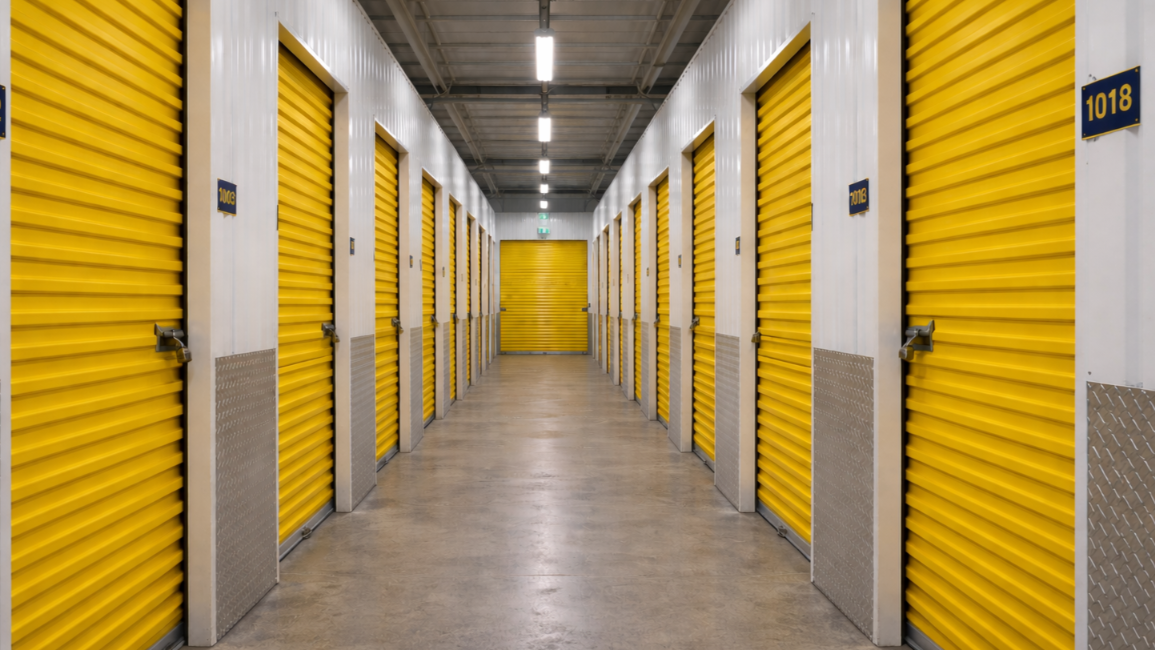
Indoor Self Storage
One of the main risks with indoor self storage is pests spreading from one customer's storage space to another. If a customer unknowingly introduces an infestation, insects or rodents may be able to migrate into neighbouring storage areas.
Cleanliness is therefore one of the most important signs of good management. A clean, dry and well-maintained facility is less likely to suffer from pests, damp smells or damage to stored belongings.
What to Look For
- Clean corridors, corners and door thresholds
- No musty or dirty odours, damp patches or signs of mould
- Pest-monitoring points or bait stations where appropriate – their presence may indicate that the operator actively monitors or prevents pest problems
- No droppings, insect remains, gnaw marks or other signs of pest activity
- Well-sealed doors, walls and ceilings with no obvious gaps
- No rubbish, food waste or neglected areas
Do not judge a facility by its reception area alone. Ask to see the actual storage areas, corridors and less-used parts of the building. These usually give a much better indication of how well the site is maintained.
Useful Questions to Ask
- How often is the site inspected for signs of pests?
- Is there a pest-monitoring or pest-control programme?
- What happens if pests are found?
- How quickly are problems dealt with?
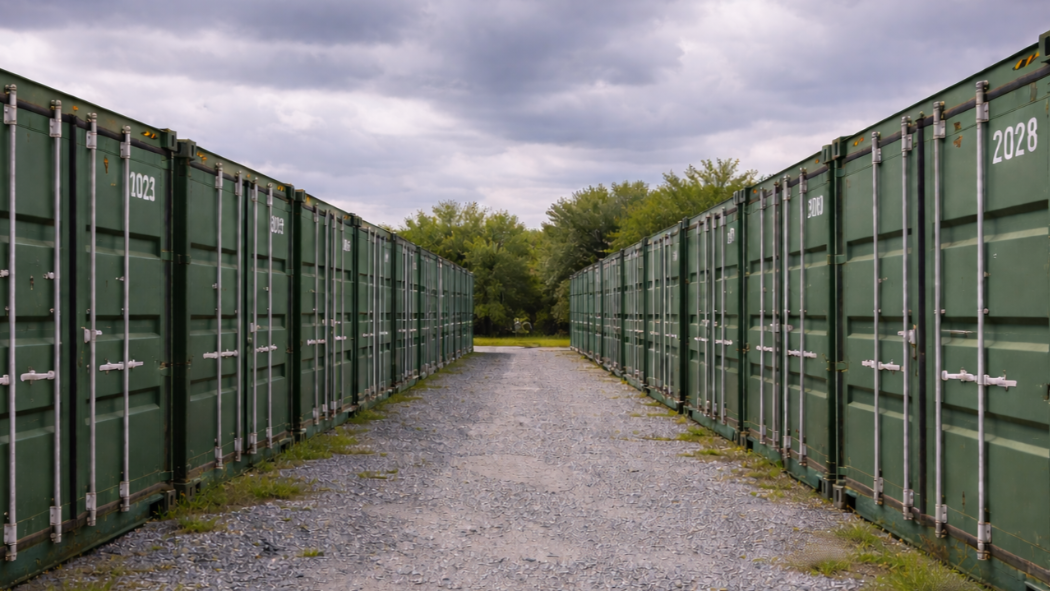
Container Self Storage
Container self-storage sites face different risks because the containers are generally outside, often on industrial sites, farms or other open areas where rodents and insects are naturally present.
The condition and management of the site are therefore important. A clean, well-maintained container yard with hardstanding, controlled vegetation and containers in good condition can help reduce the opportunities for pests to reach stored belongings.
Questions to Ask a Container Storage Operator
- How often is the container yard inspected?
- Are container door seals checked and replaced when necessary?
- Are vents protected against pest entry?
- Are containers checked for gaps, rust holes or damaged floors?
- Are customers prohibited from storing food, pet food, bird seed or animal feed?
- Are containers inspected between rentals?
- Are containers cleaned between customers?
- What happens if signs of pests are found inside a container?
Good Signs on a Container Storage Site
- Clean concrete, tarmac or other well-maintained hardstanding
- Containers raised clear of standing water where necessary
- Vegetation kept under control around the storage area
- No rubbish, scrap piles or other material likely to provide shelter for rodents
- Well-maintained doors, seals and container floors
- Clear access around containers for inspection and maintenance
Protecting Your Belongings
Even in a well-managed storage facility, customers should take sensible precautions. Do not store food, pet food, bird seed or other materials likely to attract pests. Use sealed plastic boxes where practical, make sure belongings are clean and dry before storage, and avoid placing vulnerable items directly on the floor.