Rodents and Infestations in Self Storage
Are Pests a Problem in Self Storage?
Rodents and insects are uncommon in a clean, well-managed self storage facility, but they can become a problem if unsuitable items are placed into storage or if the facility is poorly maintained. The risk is greatly reduced by choosing a clean storage facility and preparing your belongings correctly.
Food, pet food, damp fabrics, pet bedding and dirty outdoor equipment can all attract or introduce pests. Once present, rodents and insects may spread to neighbouring storage units, particularly in large indoor self storage buildings where units share the same internal space.
Individual storage containers are different. Each customer stores their belongings in a separate steel container with no shared internal corridors or adjoining rooms. At Boxed Up, our insulated containers sit on concrete hardstanding and are regularly inspected and cleaned, reducing the opportunities for pests to enter or spread between customers.
The good news is that most infestations are preventable. By following a few simple precautions before your belongings go into storage, the risk of pest damage is very low.
What Attracts Rodents and Insects?
Rodents and insects are not attracted to furniture, clothing or cardboard boxes themselves. They are attracted by food, moisture, warmth and places where they can hide. Most infestations begin because unsuitable items have been placed into storage or because belongings have not been cleaned and dried beforehand.
Food and Pet Food
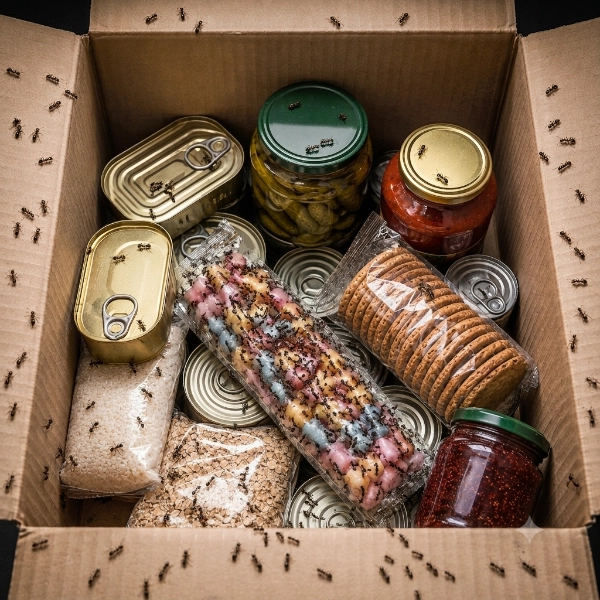
Even small amounts of food, bird seed, pet food or animal treats can attract mice, rats and insects.
Why? Food provides a reliable source of nutrition and encourages pests to remain nearby.
Damp Items
Damp clothing, tents, garden furniture cushions and recently cleaned furniture should always be dried thoroughly before storage.
Why? Moisture encourages mould and creates conditions in which some insects thrive.
Dirty Outdoor Equipment
Garden tools, lawnmowers, bicycles, barbecues and camping equipment should be cleaned before storage.
Why? Soil, leaves, grass, food residues and insects can all be carried into the storage unit.
Store Boxes Neatly
Stack boxes neatly and, where appropriate, keep them on pallets or timber battens.
Why? Good organisation improves air circulation, makes inspections easier and reduces places where pests can remain unnoticed.
Long-Term Storage
If your belongings are going into storage for an extended period, inspect them occasionally.
Why? Regular visits allow any problem to be identified and dealt with before it becomes serious.
Did You Know?
Rodents do not normally chew cardboard because they want to eat it. They usually chew through boxes to investigate smells, reach food or collect nesting material.
Which Pests Can Affect Stored Belongings?
Most self storage customers never experience pest problems, particularly when they use a clean, well-managed facility and prepare their belongings correctly. However, a small number of pests can cause damage if they are introduced into storage.
Rodents
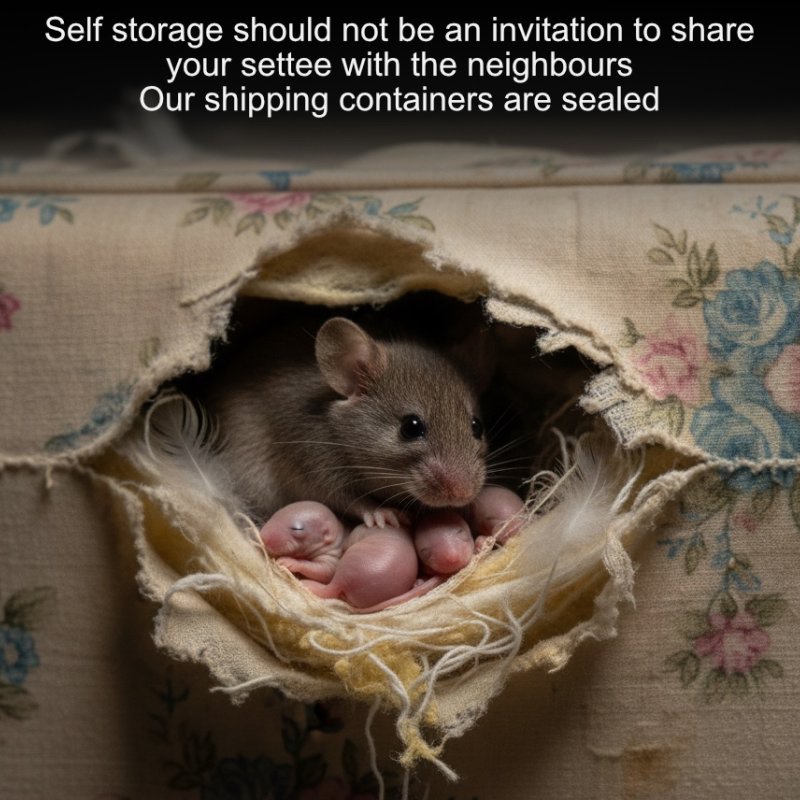
Mice and rats are the pests most likely to cause significant damage.
What damage can they cause? They can chew cardboard boxes, clothing, soft furnishings, wood, plastic and electrical cables while searching for food or nesting material. Their droppings and urine can also contaminate stored belongings.
Clothes Moths
Clothes moth larvae feed on natural fibres such as wool, cashmere, silk and some carpets.
What damage can they cause? They can leave holes in clothing, blankets, rugs and soft furnishings.
Carpet Beetles
Carpet beetle larvae feed on natural materials including wool, leather, feathers, fur and some upholstery fillings.
What damage can they cause? They may damage clothing, carpets, rugs and upholstered furniture made from natural materials.
Silverfish
Silverfish prefer damp conditions and may feed on paper, books, photographs, wallpaper paste and cardboard.
What damage can they cause? They may mark or damage paper-based items during long-term storage where moisture is present.
Fleas
Fleas are usually introduced on pet bedding, blankets, carpets or soft furnishings rather than entering an empty storage unit.
What damage can they cause? Fleas do not normally damage stored belongings, but they can become an unpleasant nuisance if infested items are placed into storage.
Did You Know?
Most pest problems begin before the storage unit is loaded. Food, damp items, pet bedding and dirty outdoor equipment are the most common ways rodents and insects are introduced into storage. Good preparation is one of the simplest and most effective ways to prevent an infestation.
How to Prevent Infestations
Most pest problems are preventable. A few simple precautions before placing your belongings into storage will greatly reduce the risk of rodents and insects.
Never Store Food
Remove all food, pet food, bird seed and animal treats before loading your storage unit.
Why? Even sealed food can give off smells that attract rodents and insects.
Clean and Dry Everything Thoroughly
Wash and completely dry clothing, camping equipment, garden furniture cushions, barbecues, pet bedding and outdoor equipment before storage.
Why? Food residues, dirt and moisture can all encourage pests or introduce insects into your storage unit.
Inspect Furniture and Boxes Before Storage
Check furniture, mattresses, boxes, rugs, pet bedding and soft furnishings for signs of rodents or insects before placing them into storage.
Why? It is much easier to deal with a problem before it enters your storage unit than afterwards.
Pack and Stack Neatly
Use strong boxes, label them clearly and stack them neatly, leaving space to inspect your belongings during storage.
Why? Well-organised storage makes it easier to spot any problems early and reduces places where pests can remain unnoticed.
Visit Your Storage Unit Occasionally
If you are storing belongings for an extended period, inspect your storage unit from time to time.
Why? Regular visits allow you to identify and deal with any issues before they become more serious.
Top Tip
One contaminated item can introduce pests into an otherwise clean storage unit. Taking a few minutes to inspect, clean and thoroughly dry your belongings before storage is one of the simplest and most effective ways to prevent future infestations.
Can the Type of Storage Affect Pest Problems?
The type of storage facility can influence how easily pests spread if an infestation does occur. However, good housekeeping and proper preparation are far more important than the building itself.
Individual Storage Containers
Each customer stores their belongings in a separate steel container with no shared internal corridors or adjoining rooms.
Why is this an advantage? If pests are accidentally introduced into one storage unit, they are less likely to spread quickly to neighbouring customers because each unit is physically separate.
Indoor Storage Buildings
Indoor storage units are often located within a single large building where units share corridors, ceilings and walls.
What does this mean? If pests become established within the building, they may find it easier to move between neighbouring storage units unless the facility has effective pest control measures in place.
Remember
Most pest problems are preventable. Choosing a clean, well-managed storage facility and preparing your belongings properly before they go into storage will greatly reduce the risk of rodents, insects and damage.