How to Prepare for Self Storage
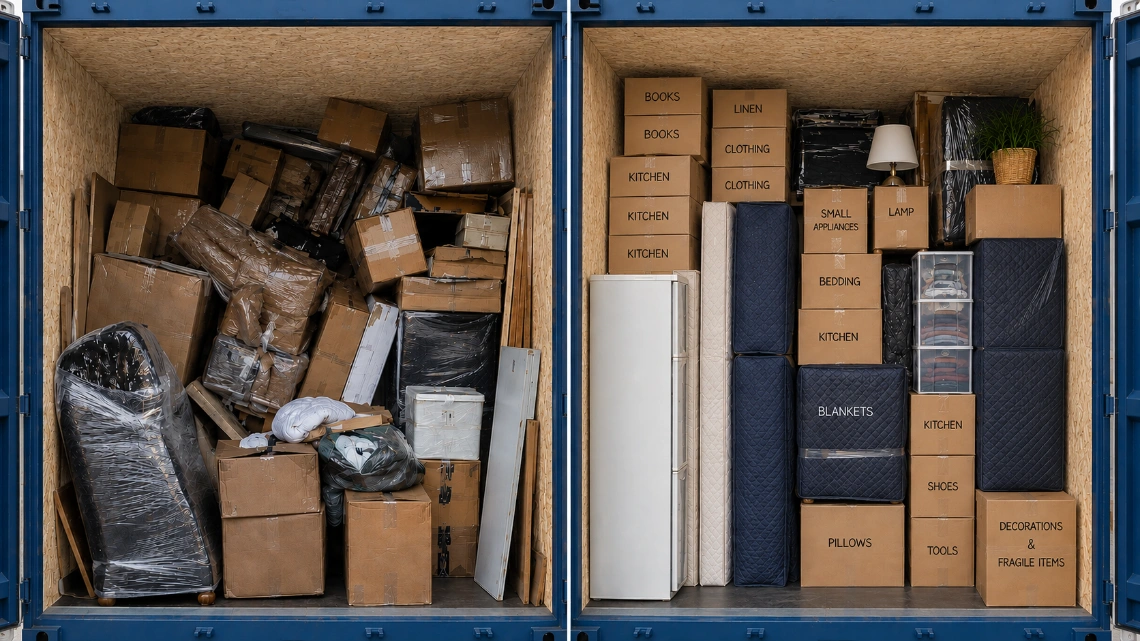
Consideration should be made when loading to reduce problems
Whether you need storage during a house move or long-term storage for household or business items, proper preparation is essential. Packing correctly protects your belongings, makes better use of your storage space and reduces the risk of damage.
The guidance below reflects good practice used throughout the UK self storage industry.
Items You Should Not Store
Food, Pet Food and Plants
Food, pet food and living plants should never be placed into storage.
Why? They attract rodents and insects, create unpleasant odours and may contaminate nearby storage units.
Rodents and Infestations in Self Storage
Flammable or Hazardous Materials
Do not store petrol, diesel, solvents, gas bottles, fireworks or hazardous chemicals.
Why? They present serious fire and safety risks, are prohibited by storage agreements and can leave strong odours that affect everything else in your storage unit.
Make Sure Everything is Completely Dry
Clothing, bedding, furniture, camping equipment, garden furniture and anything that has recently been cleaned or used outdoors must be completely dry before being placed into storage.
Why? Even a small amount of trapped moisture can lead to mould, mildew, corrosion and unpleasant odours during long-term storage.
Preventing Mould & Storage Odours
Do Not Seal Damp Items in Polythene
If you choose to wrap furniture, mattresses or other items in polythene, make absolutely certain they are completely dry first.
Why? Polythene prevents moisture from escaping. Any damp trapped inside is likely to cause mould, staining, unpleasant odours and permanent damage.
Did you know
One of the most common causes of mould is customers wrapping slightly damp furniture in polythene after cleaning it. The moisture cannot escape and mould often develops inside the wrapping.
Cash, Jewellery and Important Documents
Cash, jewellery, passports and original legal documents should be stored elsewhere.
Why? Irreplaceable valuables are better kept in a bank safe deposit facility or another secure location.
Packing Before Storage
Choose the Correct Size Unit
Prepare a list of everything you intend to store before booking.
Why? Good planning helps you choose the right size unit and avoid paying for space you do not need.
Use Strong Boxes
Use quality moving boxes of similar sizes where possible. Pack heavy items such as books into smaller boxes.
Why? Uniform boxes stack more safely, make better use of space and are easier to handle.
Protect Furniture Properly
Protect furniture using breathable moving blankets, furniture covers or cardboard edge protectors. Remove loose shelves and secure doors and drawers before moving.
Why? Proper protection reduces scratches, dents and accidental damage while allowing air to circulate around stored items.
Label Every Box
Write the contents clearly on several sides of each box and identify any fragile items.
Why? Good labelling makes it much easier to find what you need without unpacking the entire storage unit.
Loading Your Storage Unit
Leave an Access Aisle
Leave a walkway so you can reach items at the back of the storage unit.
Why? You won't have to unload everything simply to retrieve one item.
Stack Boxes Safely
Place heavy boxes on the bottom and lighter boxes on top. Avoid overloading weaker cartons.
Why? Stable stacking reduces the risk of boxes collapsing and protects the contents below.
Store Frequently Used Items Near the Front
Place anything you may need during the storage period close to the entrance.
Why? It saves time and avoids disturbing the rest of the storage unit.
Disassemble Large Furniture
Where practical, dismantle beds, tables and similar furniture before storage.
Why? Flat-packed furniture occupies less space and is less likely to be damaged during handling.
Keep Items Off the Floor
Place valuable items on pallets or timber battens where appropriate.
Why? Keeping items off the floor improves air circulation and provides additional protection.
Protecting Your Storage
Use a High Security Padlock
Many storage facilities supply a suitable high-security padlock. If you need to provide your own, choose a quality closed shackle or cylinder padlock.
Why? These provide much greater resistance to attack than standard padlocks.
Keep Access Details Private
Do not share keys, padlock combinations or gate access codes unnecessarily.
Why? Restricting access improves security and may be required by your insurance.
Check Your Insurance
Confirm whether your household or business insurance covers stored goods, or arrange specialist storage insurance if necessary.
Why? Insurance provides financial protection should the unexpected happen.
Top Tip
Take photographs of valuable items before placing them into storage. If you ever need to make an insurance claim, photographs can provide useful evidence of their condition before storage.
Visit Occasionally
If storing items for an extended period, inspect your storage unit from time to time.
Why? Regular visits help ensure everything remains dry, secure and well organised.
Good preparation before your belongings go into storage helps keep them clean, dry and organised. A well-packed storage unit is easier to access, makes better use of the available space and greatly reduces the risk of accidental damage.