Questions to Ask about Pests
Questions to Ask About Pests and Rodents in Self Storage
Before choosing a self-storage facility, it is worth checking how seriously the operator deals with cleanliness, pest control and general site maintenance. Pest problems can spread between storage areas, especially where food, rubbish, damp or poor building maintenance are present.
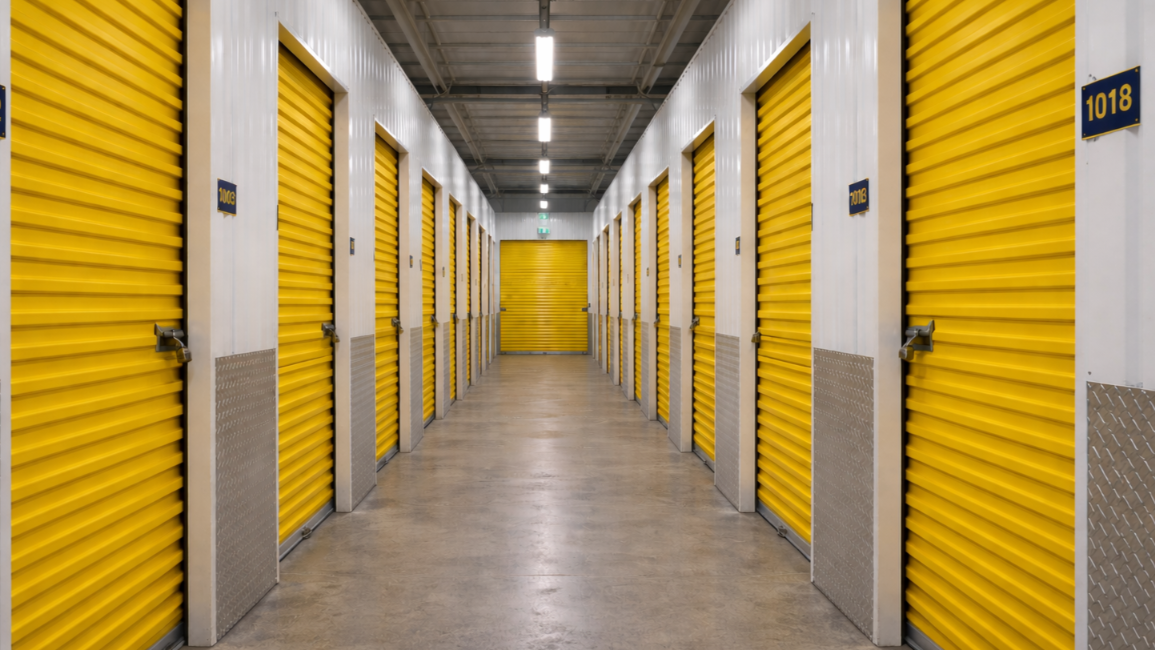
Indoor Self Storage
The biggest risk to the customer and business is cross border infestation. If one customer introduces an infestation, there is a risk of it migrating to neighbouring customer spaces.
For indoor storage, cleanliness is one of the most important signs of good management. A clean, dry and well-maintained facility is less likely to suffer from pests, damp smells or damage to stored belongings.
What to look for
- Clean corridors, corners and door thresholds
- No musty or dirty odours, damp patches or signs of mould
- Visible bait stations or pest-monitoring points, (This can mean, they have or are trying to prevent problems)
- No droppings, insect remains, gnaw marks or pest damage
- Well-sealed doors, walls and ceilings with no obvious gaps
- No rubbish, food waste or neglected areas
Do not judge a facility by reception alone. Ask to see the storage areas, corridors and less-used parts of the building. These usually give a better indication of how well the site is managed.
Useful questions to ask
- How often is the site inspected for infestations?
- Are pest-control records or certificates available?
- What happens if pests are found?
- How quickly are problems dealt with?
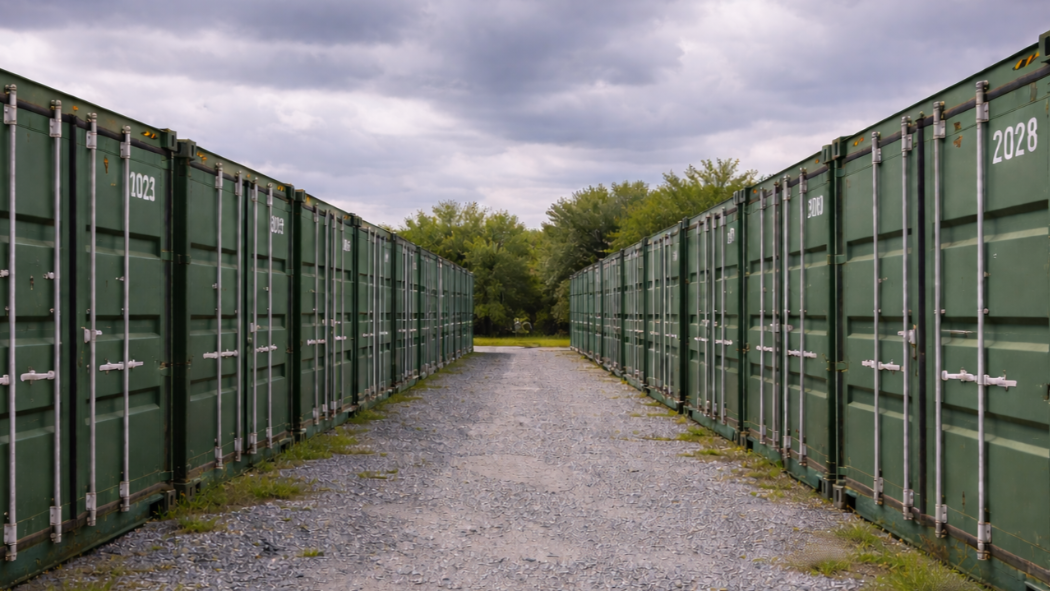
Container Self Storage
The biggest risks to Container self storage are Rodents and insects because they are generally outside often on farms and industrial sites.
For Container storage, cleanliness is one of the most important signs of good management. A clean, well-maintained facility on concrete is less likely to suffer from pests, not just a claim that containers are secure.
Questions to ask a container storage operator
- How often is the container yard inspected?
- Are container door seals checked and replaced when needed?
- Are vents protected with mesh?
- Are containers checked for gaps, rust holes or damaged floors?
- Are customers banned from storing food, pet food, bird seed or animal feed?
- Are containers inspected between rentals?
- Are container cleaned
- What happens if pests are found inside a container?
Good signs on a container storage site
- Clean concrete or tarmac surfaces
- Containers raised off the ground where possible
- Short vegetation and no overgrown areas
- No standing water, rubbish, scrap piles or old pallets
- Well-maintained doors, seals and container floors
- Clear access between containers for inspection and maintenance
Protecting Your Belongings
Even in a good storage facility, customers should take sensible precautions. Do not store food or organic materials. Use sealed plastic boxes where possible, keep items clean and dry, and avoid placing vulnerable belongings directly on the floor.
250526