
Indoor or Container Storage
Which Is Right for You?
Choosing between container storage (usually located in an outdoor compound) and an indoor self-storage facility depends on three key factors:
- Your budget
- How often you need access
- How sensitive your items are to temperature and moisture
In Brief
Container storage
- Container storage is cheaper
- You need long-term storage
- You are storing bulky items, tools or stock
- You want direct drive-up access
Indoor storage
- Extra security of being in a building
- You want extra protection from damp and temperature changes
- Indoor convenience of not being in the bad weather whilst accessing belongings
remove lines
Indoor Storage Facilities
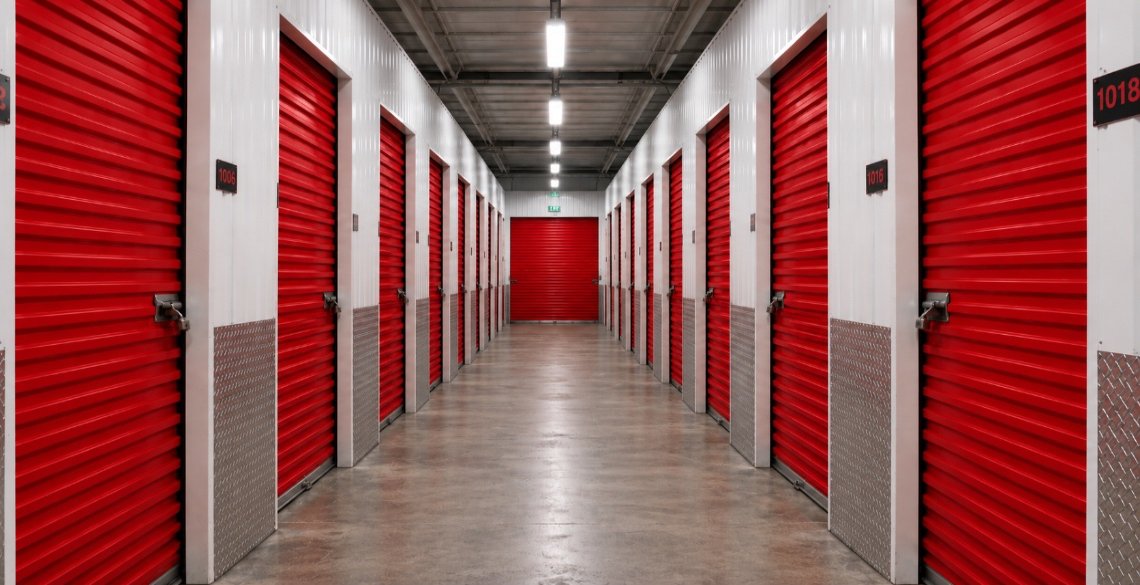
Indoor self-storage facilities are purpose-built buildings containing multiple storage units within a managed indoor environment.
Advantages
High-Level Security
Many indoor facilities include:
- 24/7 CCTV
- Gated access
- Intruder alarms
- On-site staff
Dry Protected Environment
Indoor storage protects belongings from weather exposure. Some facilities also offer climate-controlled units for furniture, electronics, paperwork and delicate items.
Convenience
Many sites provide trolleys, lifts and extended or 24-hour access.
Wide Range of Sizes
Indoor facilities often offer everything from small lockers to large rooms.
Disadvantages
Higher Cost
Indoor storage is usually more expensive due to higher building, staffing and operating costs.
Lightweight Partitions
Some indoor units use lighter partition systems and exposed padlocks which rely heavily on overall building security.
Potential Cross-Unit Pest Risk
Because indoor units are not always fully sealed, pest issues can potentially spread between neighbouring units.
Access Logistics
You may need to navigate corridors, doors or lifts to reach your unit.
Limited Drive-Up Access
Only some ground-floor units allow direct vehicle access.
Container Storage
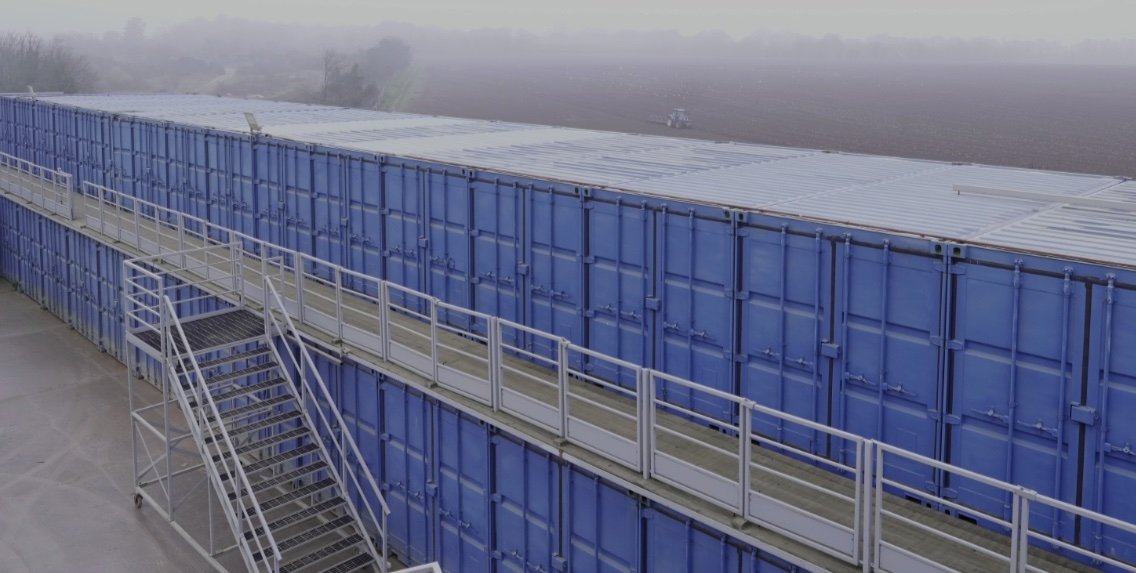
Container storage units are usually 20ft or 40ft steel containers located within secure outdoor compounds.
Most are converted shipping containers manufactured from heavy-gauge steel designed to withstand transport whilst fully loaded.
Some facilities, such as Boxed Up Storage, offer:
- Thermally insulated containers
- Power supply inside the unit
Powered units can be useful for:
- Lighting
- Heaters or dehumidifiers
- Charging vehicle or boat batteries
Advantages
Lower Cost
Container storage is often significantly cheaper than indoor storage.
Direct Drive-Up Access
You can usually park directly outside your unit for easy loading and unloading.
Spacious
Ideal for furniture, machinery, tools, business stock and bulky items.
Flexible Access
Many sites offer extended access hours with ground-level entry.
Reduced Cross-Unit Pest Risk
Individual sealed containers can reduce the likelihood of pests spreading between units.
Forklift Assistance
Some facilities offer forklift services for heavy or awkward items.
Disadvantages
Temperature and Moisture Fluctuations
Standard steel containers can experience condensation and temperature swings if not insulated or ventilated correctly.
Outdoor Environment
Containers are usually located outdoors, so strong site security is important.
Accessing belongings may also involve working in poor weather conditions.
Limited Unit Sizes
Container storage is commonly only available in larger unit sizes.