Music Education in Schools
Insights and Pathways
Schools are expected to provide a broad, inclusive and high-quality music education that helps pupils develop creativity, confidence and practical musical skills.
A strong music programme should include structured learning, performance opportunities and clear progression, while supporting students’ wider personal and educational development in line with current educational guidance.
Music Curriculum (Key Stages 1–3)
Music is part of the national curriculum for pupils aged 5–14. Teaching should include performing, composing, listening to, analysing and discussing music from a variety of genres, cultures and historical periods.
Progressive Learning
Music education should be carefully planned so that knowledge and practical skills develop steadily year by year, helping pupils build confidence and musical understanding over time.
Access to Musical Opportunities
Weekly Music Teaching
At Key Stages 1 and 2, schools are encouraged to provide around one hour of music teaching each week.
Instrumental Learning
Pupils should have opportunities to learn musical instruments, including whole-class instrumental experiences, commonly introduced during Years 3 or 4.
Singing and Vocal Development
Schools should encourage regular singing as part of school life to help pupils develop confidence, teamwork and musical ability.
Inclusion and Equal Opportunity
Music education should be accessible to all pupils. Schools are encouraged to support participation for children of all abilities, including those with special educational needs or disabilities, while also providing progression opportunities for talented students.
Enrichment Activities
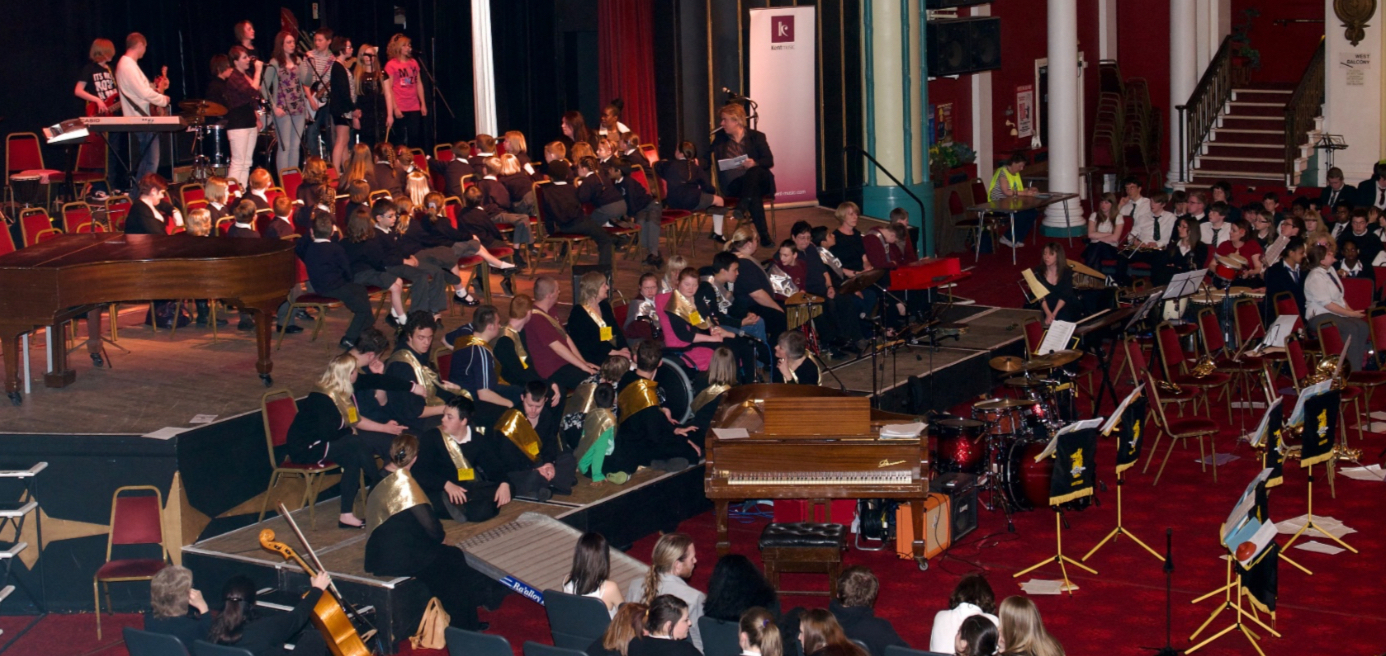
Schools are encouraged to extend music beyond the classroom through choirs, bands, ensembles, workshops, concerts and performances that help pupils engage more deeply with music.
Working with Music Education Hubs
Many schools work alongside local music education hubs and external specialists to strengthen their music provision, access additional resources and support staff development.
How We Can Help
- See how what working musicians think about life on the road.
- Instrumental and vocal opportunities
- Mentoring from working musicians
- Insight into careers within the creative industries
- Support for performances and live events